
Many homeowners believe that major issues are easy to spot, but the reality is that small, often overlooked repairs can cause serious problems over time. Neglecting minor maintenance tasks can lead to expensive repairs, reduced home value, and even safety hazards. Regular inspections, proactive fixes, and understanding which areas of your home require attention can prevent these issues from escalating.
From hidden water damage to structural wear, staying ahead of maintenance ensures your home remains comfortable, safe, and efficient. In this guide, we explore some of the most commonly overlooked home repairs and provide actionable tips to help homeowners address them before they become major problems.
1. Keep Your Bathroom Functional and Safe

Bathrooms are some of the most heavily used areas in a home, yet they are often neglected until a problem becomes serious. From daily exposure to moisture to the wear and tear of fixtures, small issues like tiny leaks, cracked grout, or loose tiles can escalate into larger problems, including water damage, mold growth, and structural deterioration. Homeowners may not notice these problems immediately because they often start in hidden areas, such as under sinks, behind toilets, or beneath bathtubs. Regular maintenance is key to preventing costly repairs and ensuring your bathroom remains safe and functional.
Actionable Tips:
-
Inspect for leaks regularly: Take a close look under sinks, around toilets, near showers, and bathtubs. Even slow drips can accumulate over time, leading to water damage and weakened flooring. Don’t forget to check supply lines and valves, as worn washers or corrosion can cause unseen leaks.
-
Maintain grout and caulking: Cracks in grout and gaps in caulking are common but serious issues. Water can seep behind tiles or into walls, causing mold growth and wood rot. Re-grouting and re-caulking should be done at the first sign of deterioration, and using mold-resistant caulk can add an extra layer of protection.
-
Update worn fixtures: Faucets, showerheads, and handles are often overlooked but can contribute to leaks or inefficient water usage. Corroded or dripping faucets not only waste water but also create persistent moisture that encourages mold and mildew growth. Upgrading fixtures can improve both function and aesthetics.
-
Check ventilation systems: Poor ventilation can trap moisture, increasing the risk of mold and mildew. Ensure your exhaust fan is functioning properly and clean it regularly to maintain airflow. In bathrooms without adequate ventilation, consider installing a fan or improving window airflow to reduce humidity.
-
Schedule professional help: Even with diligent maintenance, some problems require expert attention. A bathroom contractor can assess plumbing, tile, and ventilation systems, identify hidden issues, and recommend long-term solutions. Professionals can also provide advice on upgrades that enhance durability and efficiency, such as water-saving fixtures or mold-resistant materials.
-
Routine cleaning and maintenance: Regular cleaning not only keeps surfaces hygienic but also allows you to spot early signs of damage. Use non-abrasive cleaners to prevent damage to tiles and grout, and pay attention to areas behind toilets, around the base of the tub, and along corners where moisture tends to accumulate.
By proactively addressing these small issues, homeowners can prevent expensive repairs, maintain a safe and hygienic bathroom environment, and extend the lifespan of fixtures, tiles, and other components. A well-maintained bathroom not only functions better but also contributes to the overall comfort, safety, and value of the home.
2. Inspect Roofs Regularly to Prevent Costly Damage
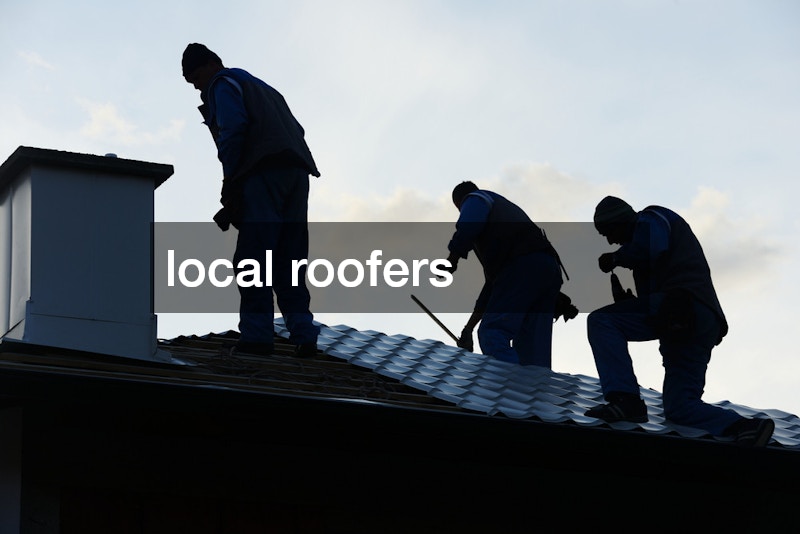
The roof is one of the most critical components of a home, acting as the primary barrier against rain, wind, snow, and other elements. Despite its importance, it is often neglected until leaks or visible damage occur. Even small issues like a few missing shingles or deteriorating flashing can lead to water infiltration, structural damage, mold growth, and higher energy bills. Regular roof inspections are essential for detecting problems early and protecting your home from costly repairs.
Actionable Tips:
-
Visual inspections: Walk around the perimeter of your home and look for missing, cracked, or curling shingles. Check for sagging areas or uneven rooflines, which could indicate weakened decking or structural issues. Inside the attic, look for water stains, mold, or signs of light penetrating through the roof—these are early indicators of leaks.
-
Inspect after storms: Strong winds, heavy rain, or hail can damage shingles, flashing, gutters, and vents. After any major weather event, carefully examine the roof for loose or broken shingles, debris accumulation, and damaged vents or flashing. Removing branches and debris promptly can prevent additional wear and tear.
-
Check flashing and sealants: Flashing around chimneys, skylights, and vents is prone to cracking or lifting, which can allow water to seep into the roof structure. Inspect these areas regularly and apply sealant or call a professional for repairs if any damage is visible.
-
Maintain gutters and drainage: Clogged gutters can cause water to back up under shingles, leading to leaks. Ensure gutters are clear and properly pitched to direct water away from the roof and foundation. Regular cleaning complements roof maintenance and reduces the risk of water damage.
-
Hire professionals: A local roofing company can conduct thorough inspections using specialized tools to check for hidden damage or weak areas that are not visible from the ground. Local roofers can provide expert repairs, replace damaged shingles, reinforce flashing, and ensure your roof meets local building codes. Professional inspections are particularly important for older roofs or after severe weather events.
-
Schedule routine maintenance: Beyond inspections, regular maintenance such as replacing worn shingles, resealing flashing, and addressing moss or algae growth extends the roof’s lifespan. Proactive care helps maintain energy efficiency by keeping insulation dry and reducing heat loss.
Routine roof inspections not only prevent leaks and structural damage but also save homeowners from expensive emergency repairs. A well-maintained roof protects your home’s interior, enhances curb appeal, and provides peace of mind that your property is secure against the elements.
3. Clean and Maintain Your Drains
Drains are an essential part of a functional home, yet they are often overlooked until a slow drain or complete blockage becomes a major problem. Hair, soap scum, grease, and other debris gradually accumulate inside pipes, restricting water flow and creating an ideal environment for bacteria and unpleasant odors. Left unchecked, clogged drains can cause water backup, leaks, and even structural damage if the water seeps into walls or floors. Regular maintenance and preventive measures are critical to keeping your plumbing system in optimal condition.
Actionable Tips:
-
Use drain strainers: Install strainers or screens in sinks, showers, and tubs to catch hair, food particles, and other debris before they enter your pipes. This simple step can prevent most common clogs and reduce the need for costly interventions.
-
Avoid pouring grease down sinks: Cooking oils and grease solidify as they cool, creating stubborn blockages that can affect both your pipes and municipal sewer lines. Dispose of grease in a container and discard it with your household trash instead.
-
Routine professional cleaning: Even with careful prevention, residue can build up inside pipes over time. Hiring drain cleaning companies annually helps remove stubborn buildup, clear minor blockages before they worsen, and ensure the plumbing system is functioning efficiently. Professionals may also use cameras to inspect pipes and detect hidden issues such as cracks or root intrusion.
-
DIY maintenance: Regularly flush drains with hot water to prevent grease and soap accumulation. A natural alternative is a mixture of baking soda and vinegar followed by hot water, which helps break down minor clogs and deodorizes drains. Avoid harsh chemical cleaners, as they can damage pipes over time.
-
Monitor drainage patterns: Pay attention to slow-draining sinks, gurgling sounds, or water backups. These early warning signs indicate a problem that should be addressed promptly before it develops into a major plumbing emergency.
Maintaining your drains not only improves water flow and reduces unpleasant odors but also helps prevent costly repairs and water damage throughout your home. With a combination of preventive measures, routine cleaning, and professional inspections, homeowners can extend the life of their plumbing system and enjoy a safer, more hygienic living environment.
4. Maintain Chimneys to Avoid Safety Hazards
Chimneys are often out of sight and out of mind, yet neglecting them can create safety hazards such as fires or structural damage. Cracks, creosote buildup, and loose bricks are common issues that homeowners overlook.
Actionable Tips:
-
Inspect for damage: Check the masonry for cracks, loose bricks, and deterioration.
-
Clean regularly: Remove creosote and soot to reduce the risk of chimney fires.
-
Professional assessment: Schedule chimney repair services to evaluate structural integrity and perform necessary maintenance.
-
Check chimney caps and flashing: Proper protection prevents water infiltration and animal entry.
Routine maintenance ensures safe use, prolongs the life of the chimney, and prevents costly repairs down the line.
5. Keep Gutters in Top Shape
Gutters are essential for directing water away from your home, but they are often neglected until a problem arises. Clogged or damaged gutters can cause foundation damage, mold growth, and erosion around your property.
Actionable Tips:
-
Clear debris regularly: Remove leaves, sticks, and dirt to maintain proper flow.
-
Inspect for leaks: Look for cracks or separated seams that may require repair.
-
Secure loose gutters: Ensure they are firmly attached to your home’s structure.
-
Professional repairs: Hire experts for gutter repairs to prevent water damage.
Well-maintained gutters protect your home from water-related issues, reduce landscaping erosion, and safeguard your foundation.
6. Hire the Right Roofing Professionals for Repairs
Even minor roof damage can lead to major problems if left untreated. Choosing the right roofing professional ensures repairs are done correctly and efficiently.
Actionable Tips:
-
Check credentials: Verify that the residential roofer has proper licensing and insurance.
-
Request multiple quotes: Compare prices and services from different providers.
-
Assess experience: Look for proven expertise in roof types similar to your home’s roof.
-
Schedule timely repairs: Address small leaks, missing shingles, or damaged flashing promptly.
Professional roof maintenance preserves your home’s structural integrity, prevents leaks, and extends the lifespan of your roofing system.
7. Regular HVAC Inspections for Comfort and Efficiency
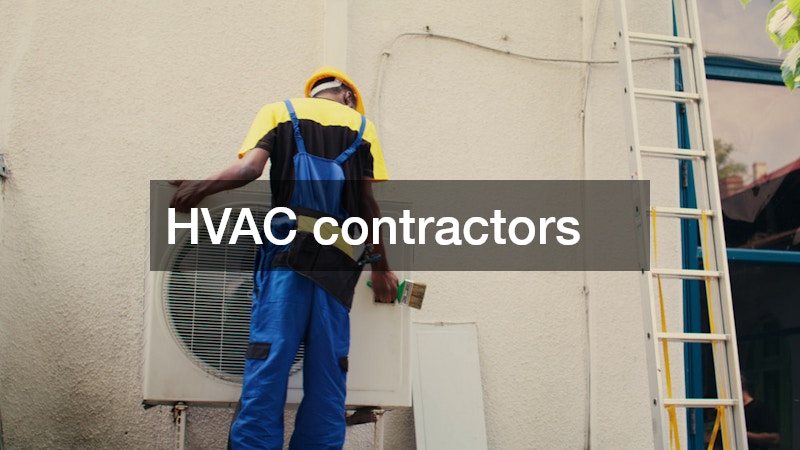
Your HVAC system is critical for maintaining a comfortable home, yet it is often ignored until it fails. Poorly maintained systems consume more energy and may pose safety risks.
Actionable Tips:
-
Annual inspections: Schedule service with HVAC contractors to check airflow, refrigerant levels, and system performance.
-
Change filters regularly: Replace air filters every 1–3 months to maintain efficiency.
-
Clean ducts and vents: Reduce dust, allergens, and strain on the system.
-
Monitor system performance: Listen for unusual noises and monitor temperature consistency.
Regular maintenance improves indoor air quality, reduces energy bills, and prevents costly emergency repairs.
8. Maintain Masonry for Long-Term Structural Integrity
Brick, stone, and concrete features may look sturdy, but they are prone to cracks, erosion, and water infiltration. Over time, minor issues can compromise the structural integrity of your home.
Actionable Tips:
-
Inspect walls and foundations: Look for cracks, chips, or crumbling mortar.
-
Seal surfaces: Apply protective coatings to prevent water damage.
-
Repair early: Address small cracks before they expand.
-
Professional help: Masonry contractors can restore damaged structures and ensure long-lasting repairs.
Proper masonry maintenance preserves the beauty of your home while preventing costly structural repairs.
9. Protect Driveways and Outdoor Surfaces

Driveways, patios, and walkways are often overlooked but can deteriorate over time due to weather, tree roots, or heavy usage. Ignoring these areas can lead to uneven surfaces, tripping hazards, and expensive repaving.
Actionable Tips:
-
Inspect regularly: Check for cracks, potholes, or drainage problems.
-
Seal cracks promptly: Prevent further damage by addressing minor issues immediately.
-
Maintain proper slope: Ensure water flows away from your home to prevent erosion.
-
Professional services: A local paving contractor can repair or repave surfaces for durability and aesthetics.
Maintaining outdoor surfaces enhances curb appeal, improves safety, and prevents costly future repairs.
10. Schedule Periodic Comprehensive Home Inspections
While focusing on individual systems is important, a holistic approach can catch issues that might otherwise be missed. Combining inspections for roofing, plumbing, HVAC, and exterior elements ensures a thorough understanding of your home’s condition.
Actionable Tips:
-
Create a checklist: Include key areas like roof, gutters, plumbing, HVAC, masonry, and paved surfaces.
-
Document issues: Take notes and photos of minor problems to track changes over time.
-
Prioritize repairs: Address issues based on urgency, potential cost, and safety concerns.
-
Combine professional services: Coordinate with local contractors for roof repairs, drain cleaning, HVAC service, masonry fixes, and paving improvements.
A comprehensive approach allows homeowners to plan proactive maintenance, avoid emergency repairs, and extend the life of their home systems.
Home maintenance is more than just fixing visible problems; it’s about identifying and addressing the issues most homeowners tend to overlook. From small leaks and clogged drains to roof damage and masonry cracks, staying proactive can save money, enhance comfort, and preserve the structural integrity of your home.
By regularly inspecting your home, scheduling professional maintenance, and addressing minor problems promptly, you ensure that your home remains safe, efficient, and enjoyable for years to come. Small investments in maintenance today prevent larger, more costly repairs tomorrow, keeping your home in top condition for both comfort and value.
